
Electric Muscle Stimulation Therapy
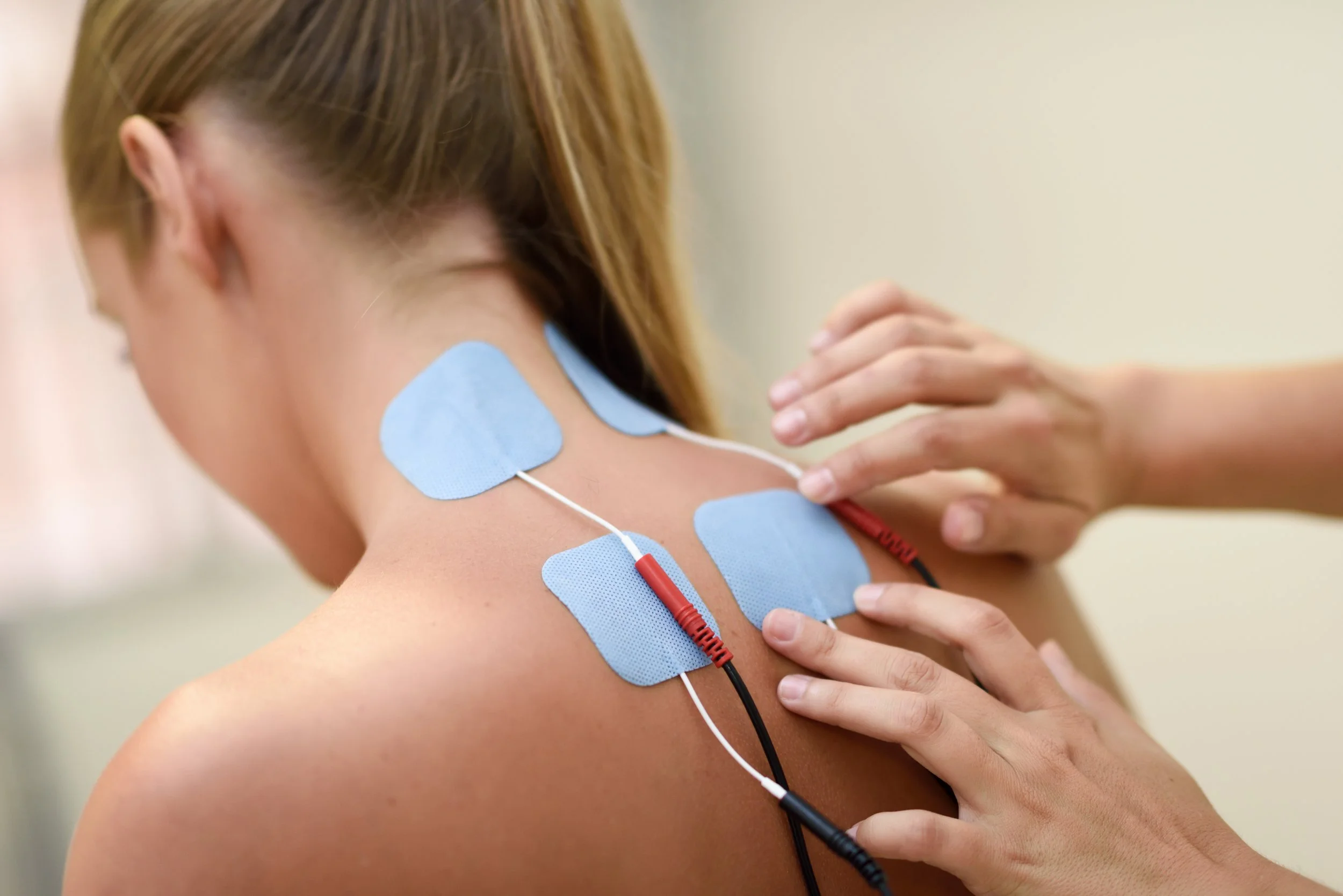
Electric muscle stimulation (EMS) uses controlled electrical impulses delivered through surface electrodes to induce muscle contractions, complementing voluntary movement. By precisely targeting specific muscles and adjusting parameters to individual needs, EMS improves neuromuscular control, increases strength, accelerates recovery and tissue healing, and enhances local circulation. It can reduce pain, limit disuse atrophy, and support rehabilitation after injury or surgery, while also serving performance and conditioning roles in athletic training and prehabilitation. When applied by trained professionals with appropriate assessment and monitoring, EMS is a safe, noninvasive adjunct to exercise and therapy that helps restore functional movement, prevent setbacks, and optimize outcomes more efficiently.

-
EMS uses small electrical pulses through skin pads to trigger motor nerves. This makes muscles contract and relax like normal nerve signals. By changing frequency and intensity, EMS can build strength, boost endurance, prevent muscle loss, ease pain, improve blood flow, and speed recovery by reducing lactic acid. A device controls the settings; correct pad placement and proper intensity are essential for safe, effective use.
-
No — EMS (electrical muscle stimulation) is generally not painful. Most people feel a tingling or buzzing as the device contracts the muscles; intensity can be adjusted for comfort. Mild soreness after a session is possible, similar to post-exercise muscle fatigue, but true pain or burning is uncommon when used properly. If you have sensitive skin, implanted devices (like pacemakers), or specific medical conditions, consult our clinician before trying EMS.
-
EMS may be a good treatment option for you if:
Pain relief: EMS (electrical muscle stimulation) can reduce acute and chronic pain by interrupting pain signals and promoting release of endorphins, making daily activities more comfortable.
Muscle strengthening and rehabilitation: EMS helps preserve or rebuild muscle mass after injury, surgery, or periods of inactivity by stimulating muscle contractions that reinforce fibers and neuromuscular connections.
Improved recovery and reduced soreness: Athletes and active people use EMS to enhance circulation, accelerate removal of metabolic waste, and decrease delayed onset muscle soreness (DOMS), speeding return to training.
Enhanced muscle activation and motor control: EMS can activate hard-to-reach or inhibited muscles (for example, after injury or with chronic pain), retraining proper movement patterns and improving functional performance.
Increased range of motion and flexibility: By reducing muscle guarding and promoting relaxation, EMS helps increase joint mobility and support physical therapy goals.
Time-efficient workouts: EMS can supplement traditional training, providing targeted stimulation to specific muscle groups in a shorter time, appealing to busy people seeking efficient strength maintenance.
Adjunct to physical therapy and medical treatment: Clinicians use EMS as part of rehabilitation plans to prevent atrophy, manage spasticity, and support nerve recovery under professional guidance.
Non-invasive and drug-free option: For those seeking alternatives to medications or injections, EMS offers a non-pharmacologic method to manage pain and support recovery.
Customizable and targeted therapy: EMS settings (intensity, pulse width, frequency) can be adjusted for individual goals—pain relief, strengthening, relaxation—making it versatile across populations.
Psychological benefits and confidence: Improved function, reduced pain, and faster progress can boost motivation, reduce fear-avoidance, and support return to normal activities or sports.